These may seem like a pretty basic question, but it sometimes helps to get back to the basics.
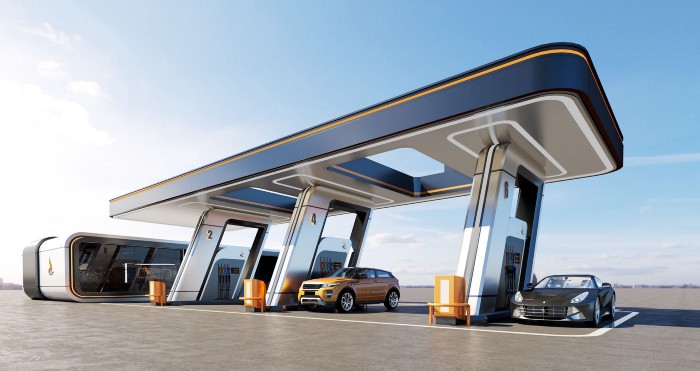
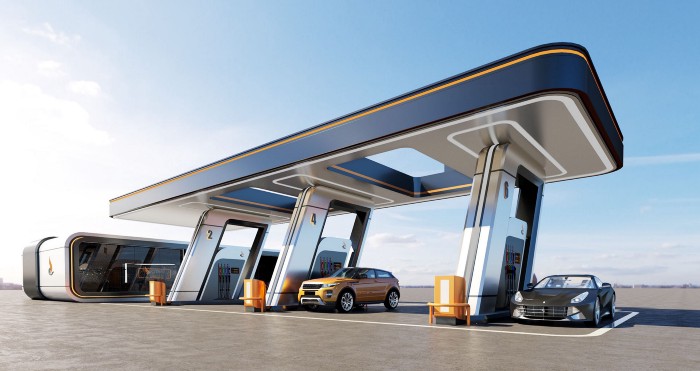
A gas station is a place where motorists can fill up their vehicles with gasoline, diesel, or other fuels. Gas stations are an essential part of the transportation infrastructure, providing a convenient way for drivers to keep their vehicles fueled and on the road.
While the primary function of a gas station is to provide fuel for vehicles, many also offer a range of other services. These can include car washes, convenience stores, and even restaurants and coffee shops. Some gas stations are also equipped with mechanics who can perform basic maintenance and repairs on vehicles.
One of the biggest challenges facing gas stations is the increasing shift towards electric vehicles. As more and more people opt for electric cars, the demand for gasoline and diesel is likely to decline. This could have a major impact on the gas station industry, and some experts predict that the number of gas stations will decrease over time as a result.
Despite this, however, gas stations are likely to remain an important part of the transportation landscape for the foreseeable future. Even as electric vehicles become more popular, there will still be a significant number of gas-powered cars on the road, and these vehicles will need a place to refuel.
In addition to providing fuel, gas stations can also play a role in promoting environmental sustainability. Many gas stations now offer alternative fuels such as ethanol and biodiesel, which can help reduce greenhouse gas emissions and improve air quality. Some gas stations are also experimenting with renewable energy sources, such as solar panels and wind turbines, to power their operations.
Overall, gas stations are a crucial part of the transportation ecosystem, providing a convenient and essential service to drivers. As the industry continues to evolve, it will be important for gas stations to adapt and stay relevant in a changing world.
 California Gas Station Broker